
by Rebecca Prade | May 11, 2018 | NUTRITION
 Intermittent fasting has been practiced throughout all of human history and it can carry huge health benefits if it’s done right. Intermittent fasting is not a diet, it’s a pattern of eating. It’s a way of scheduling your meals so that you get the most out of them. It doesn’t change what you eat, it changes when you eat. Fasting is not like a traditional diet because you can keep your calorie intake the same and it’s simple enough that you’ll actually do it, but meaningful enough that it can actually make a big difference to your health. Intermittent fasting is easy to implement into your lifestyle and research shows comes with many health benefits not just weight loss.
The sciencey bit
In intermittent fasting, what essentially takes place in the body is that one source of energy — which can facilitate the accumulation of body fat — is switched for another. Our bodies run on glucose or simple sugar, but when we fast for a longer period of time, that energy source becomes unavailable. Our system needs to identify a different kind of “fuel.” That is when the body begins to convert certain types of body fat into fatty acids, which are easily absorbed by the blood. Fatty acids, in turn, produce molecules called ketones, which the body uses as its new source of energy. This has been referred to as flipping the metabolic switch.
Along with weight loss, researchers have found that intermittent fasting could help to prolong the lifespan, improve the functioning of metabolic processes, protect cognitive function, enhance physical performance, reduce inflammation, improve blood sugar, improve immune function, enhance detoxification, improve sleep, improve appetite signaling and shield against cardiovascular diseases.
And these could all be down to autophagy. Recent studies have confirmed that fasting induces autophagy. Autophagy is a natural regeneration process that occurs at a cellular level in the body, reducing the likelihood of contracting some diseases as well as prolonging lifespan. It maintains normal functioning by breaking down old cells and then turning over the destroyed cell organelles for new cell formation.
Human cells are constantly becoming damaged as a normal part of metabolic processes. However, as we age, experience stress, and deal with more and more free radical damage our cells become damaged at an increased rate.
This is where we need autophagy: It helps to clear damaged cells from the body, including senescent cells that serve no functional purpose but still linger inside tissues and organs causing damage by triggering inflammation. This has been shown to then go on to contribute to neurodegenerative diseases such as Alzheimer’s and Parkinson’s for example.
“Think of it as our body’s innate recycling program,” says Colin Champ, M.D., and author of Misguided Medicine. “Autophagy makes us more efficient machines to get rid of faulty parts, stop cancerous growths, and stop metabolic dysfunction like obesity and diabetes.” In simple terms, autophagy is the key to slowing the aging process.
So how do we switch it on?
The most fascinating part of the discovery of autophagy is that the process is given a boost if there is cellular stress. If cells lack nutrients, are deprived of energy, or are damaged in some way, a “stress response” mechanism is activated initiating autophagy. When it comes to diet and lifestyle habits that are in your control, the thing that triggers autophagy most is fasting because of the “stress” it creates through nutrient deprivation in your cells.

Choose a 16–hour window to fast, followed by an 8–hour eating period. If you have eaten dinner by 8 pm you would then fast until 12pm the next day (Be aware of unconsciously ruining all your hard work with fast-breakers like milk in coffee or sugary drinks. Water, black coffee and herbal teas are all fine during fasting). It doesn’t matter when you start your 8–hour eating period. You can start at 8 am and stop at 4 pm. Or you could start at 2 pm and stop at 10 pm. Do whatever works for you and your schedule.
Another “good stress” that can induce autophagy is exercising. Recent research has shown that exercise induces autophagy in multiple organs involved in metabolic regulation, such as muscle, liver, pancreas, and adipose tissue. While exercise has many benefits, it’s actually a form of stress because it breaks down tissues, causing them to be repaired and grow stronger. It’s not exactly clear yet how much exercise is needed to boost autophagy, but research suggests that high-intensity exercise is probably most beneficial.
To further support these findings, Naomi Whittel in her new book, Glow 15, sets out a 15-day programme that includes 16-hour fasts three times a week and high-intensity exercise. In basic tests of the programme on volunteers at Jacksonville University, Florida, she found a number of benefits including weight loss, a reduction in fine lines, changes in blood pressure, and improvements in lean muscle mass. What’s not to love?
Worried you can’t survive 16 hours without food? Try micro-fasting instead. Micro-fasting is the same principle and has similar benefits, admittedly to a lesser degree but only requires a 12-14 daily fasting window for example 7 pm – 9 am. If you don’t think you are up to a full fast why not start by trying micro-fasting instead.
On a cautionary note: This dieting style may not be equally beneficial for everyone. If you are on any medications to control certain health conditions, it’s best to consult your doctor before introducing fasting. People who suffer from hypoglycemia or diabetes, and women who are pregnant or breastfeeding, should not fast. Anyone being treated for a disease like cancer should always discuss treatment options and interventions with their doctor first.
If you’d like to arrange a free 15-minute chat to discuss how we can help you overcome your health issues or reach your highest state of well-being, get in touch with us here.
by Rebecca Prade | Apr 16, 2018 | NUTRITION, WELLBEING
Coffee: Is It Good for You or Not?
The world is powered by coffee. Around two billion cups of the caffeinated beverage are consumed every day, all over the world. Whether it’s part of your morning routine, you need it for a pick-me-up, or you just love the taste, there’s no denying that we’re hooked. Despite the planet’s addiction, coffee is often described as a ‘bad food’ – anyone on a clean eating diet ditches it completely, and people are always trying to restrict themselves from reaching for another cup. In the midst of so many anti-coffee campaigns, other people boast of its many benefits. But is coffee actually good for you? What about the potential health risks? Let’s explore.
The Pros and Cons
Answering “Is coffee good for you?” isn’t as easy as just saying yes or no. As a drink, it does have some health benefits. Coffee is known for keeping you alert – we all know how a flat white can perk us up after a late night – and this energy is good for brain function. A recent study has shown that drinking three cups has been linked to clearing out your arteries, which is good news. Also, one small cup contains around 387mg of antioxidants, which is more than in green tea or in red wine. But just like red wine, while there are confirmed health benefits, over-consumption can lead to some severe health problems. A small glass of Merlot with dinner can be hugely beneficial – but if you’re drinking the whole bottle, not so much. The same principle applies to coffee.
Coffee is dehydrating, which we all know is bad news. Hydration means clearer skin, faster metabolism and ditching that sluggish feeling, so anything that counteracts that is far from ideal. Likewise, coffee can make your adrenal glands work extra hard. Studies have also shown that the negative side effects of coffee can depend on your genes. Caffeine works by metabolising an enzyme in your liver that’s encoded by the CYP1A2 gene. However, half the population have an SNP (each SNP represents a difference in a single DNA building block) in this gene, which leads to the slow processing of caffeine. This can lead to a higher risk of heart disease, hypertension and impaired fasting glucose, contradicting the earlier good news about arteries. With that in mind, coffee has been proven to reduce the risk of diseases like Parkinson’s – it’s so tricky to know where to stand.
Latte, Americano, Frappuccino: How to Drink It
Ideally, every cup of coffee would be drunk at sunrise on the balcony of a beautiful villa in Southern France – but that’s not always realistic. The most important part of how to drink your coffee comes from what you put in it. It can be tempting to grab a sugary, chocolate-covered mocha on your commute to work, but that’s where you run into dangerous territory. Not only is having too much sugar linked to obesity and heart problems, but you can also get a sugar crash as well as a caffeine crash – the last thing you want when you go into your third meeting of the morning. Black coffee is the best option, but if you aren’t so keen on the bitterness, add a splash of nut, oat, or organic cow’s milk.
Drinking coffee with a meal is advised, as on an empty stomach, it can be acidifying. Sipping your first cup of the day alongside a healthy breakfast is a great idea, and having some food to absorb it also stops caffeine crashes. If you’re fasting and don’t eat breakfast, add some healthy fat – we’re talking ghee, coconut oil, or full-fat cream – to help digestion. To offset the dehydration, have a glass of water after finishing your coffee.
Early Morning or Mid-Afternoon: When to Drink It
What time do you usually reach for your first cup of coffee? Many people claim that they can’t wake up properly without a cup of joe, so if you’ve integrated it into your morning ritual, you aren’t alone. However, I suggest waiting 2 hours after first waking up before you consume your first coffee to give your hormones a chance to start moving. It’s also a good idea not to drink coffee in the evening, as it can keep you awake. Given that the half-life of caffeine is between 5-6 hours, it can take up to 12 hours to be completely out of your body. So, if you’re very sensitive to caffeine or have difficulty sleeping, this should also rule out mid-afternoon consumption. Anything that disrupts you from your beauty sleep is never a good idea!
To Sum It Up in a Cup
Deciding whether coffee is good or not depends on so many different factors, from diet and weight to age and lifestyle and, of course, your genes. Its advantages, such as antioxidants and increased alertness, can be overshadowed by dehydration and potential adrenal damage. The important thing to remember is that moderation is key. One mug of black coffee can be hugely beneficial but drinking them all day, every day, can increase the risk of negative aspects. If your coffee consumption is excessive, cutting down slowly and switching to lower caffeine options, like green tea, is the best route to go – and there are some gorgeous decaffeinated coffees available if you’re hooked on the taste. In our Western culture, which is obsessed with regimented dietary rules, it’s crucial to remember to listen to your body and do what feels right.
If you’re struggling to cut down on caffeine, need some tips, or are looking to re-think your entire diet, contact me here for friendly, bespoke help that works with your body’s needs.
by Rebecca Prade | Apr 9, 2018 | NUTRITION, WELLBEING
What do you do to improve your brainpower? Many of us try mental exercises, getting lots of sleep, and working out… but did you know you can boost your brainpower with the types of food you eat? Giving your brain a boost is something everyone can do with. Who doesn’t want more energy, better concentration, and reduced stress? Sign us up! Eating these 10 healthy foods can give you a massive surge in brainpower. So whether you’re feeling sluggish and want to get energised, or feeling worried and want to alleviate some tension, such healthy food could change your life!
Blueberries
There’s a reason that blueberries appear in so many of your favourite smoothie recipes. These little berries are packed full of antioxidants – called anthocyanidins – making them the ‘go-to’ for anyone looking to get clearer skin. As well as a better complexion, anthocyanidins are great for improving or delaying short-term memory loss, helping you to have a better memory.
Nuts
Have you ever heard that certain healthy food is shaped like the body parts they’re good for? Celery is good for the bones, tomatoes are good for the heart… and walnuts are good for the brain! It’s not just walnuts that can help your mind work better – almonds, cashews, pecans, and even peanuts all contain lots of vitamin E, which is key for preventing cognitive decline. Just steer clear of those peanuts that are covered in salt…
Wholegrains
Wholegrains are a fantastic source of glucose, which provides energy for the brain. By opting for low GI wholegrains (think brown rice, buckwheat, barley, whole oats, and quinoa) you will get slow-release energy, keeping you mentally alert throughout the day.
Oily Fish
We’re always hearing that oily fish can be hugely beneficial for our health – but why? Oily fish is a great source of omega-3, and it comes in the form of EPA and DHA. When it comes to our healthy food choices, this means that our bodies can use it easily, and it helps us with healthy brain function, as well as our hearts, joints, and general wellbeing. The best sources of oily fish are trout, mackerel, salmon, herring, sardines, kippers, and anchovies.
Pumpkin Seeds
We’re often told nuts and seeds are good for us, but how often do we really include them in our meals? Pumpkin seeds are crammed full of zinc, which is vital for improving memory and thinking skills. They also contain magnesium – which relieves stress – B-vitamins, and interestingly tryptophan, which helps build serotonin, our feel-good hormone, also utilised in memory and learning. Sprinkle some pumpkin seed goodness over your porridge or salad and feel the benefits.
Tomatoes
As well as being delicious and a great healthy food for the heart, tomatoes work wonders for the brain. Tomatoes are packed full of lycopene, which is thought to protect against free radical damage to cells, which occurs when someone suffers from dementia. It’s not just raw tomatoes that you can benefit from –cooking them with a little olive oil increases the lycopene content even more. Something to think about when you make your next batch of roasted Mediterranean vegetables!
Blackcurrants
A great source of Vitamin C, blackcurrants are not only tasty, but they can also improve mental well-being. Vitamin C is associated with mental agility, and studies have shown that a reduction of vitamin C has been linked to age-related brain deterioration. Vitamin C has also been thought to play a crucial role in managing stress and anxiety and it gets depleted from our adrenals when we are stressed. So, what are you waiting for? Get snacking on blackcurrants now!
Sage
Many people associate sage with something you burn to ward off bad spirits – any horror film will tell you that. As well as this, sage can improve memory and concentration. Sage is often used in cooking and can add a flavourful twist to your favourite dishes, including soup, risotto, and roasted vegetables.
Eggs
No cooked breakfast is complete without eggs. Boiled, poached, scrambled… eggs are incredibly versatile. As a source of certain B vitamins – B6, B12, and folic acid – eggs reduce levels of a compound called homocysteine, found in blood. High levels of homocysteine have been associated with cognitive impairments, Alzheimer’s disease, and increased risk of Stroke. So, reducing homocysteine in our body can only be a good thing! Other B-rich foods include fish, chicken, and leafy greens.
Broccoli
Your mother didn’t tell you to eat your greens for nothing! Broccoli contains vitamin K, which enhances cognitive function and improves overall brainpower. Researchers also believe it can slow down the breakdown of acetylcholine, a neurotransmitter we need for the central nervous system. So, if you’ve got a big meeting coming up, make sure you pack your dinner full of broccoli the night before.
Including these foods in your everyday diet can really help boost your brainpower – something we all want and need. If you have any concerns about your diet and lifestyle don’t hesitate to get in touch with us here.
by Rebecca Prade | Mar 26, 2018 | NUTRITION, Recipes
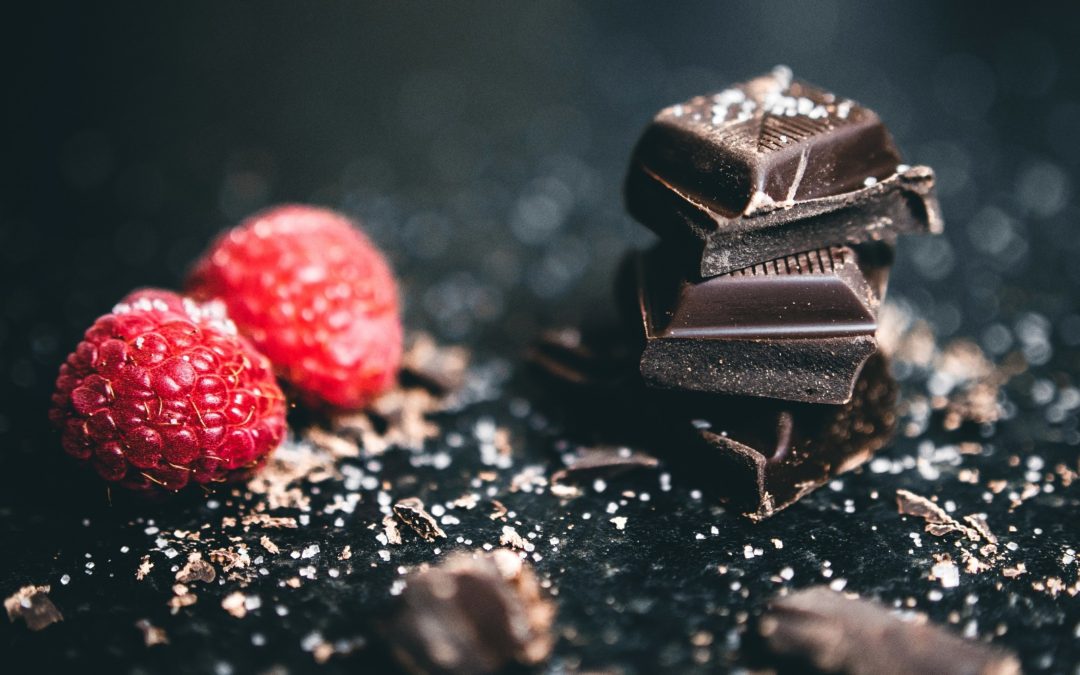
Milk chocolate, we get it however, the health benefits of dark chocolate are impressive; it’s loaded with an extremely high concentration of free-radical-fighting antioxidants, plus B vitamins, minerals like magnesium and calcium, and much more. Dark chocolate (the higher the cacao percentage the better) has been shown to lower levels of the stress hormone cortisol, raise serotonin levels, improve cardiovascular health and brain function, lower inflammation… the list goes on.
Cacao (raw cacao powder is made by cold-pressing unroasted cocoa beans) has nearly twice the antioxidants found in red wine and almost triple the antioxidants of green tea. Most people know that dark chocolate contains magnesium, which most of us don’t get enough of. But there are many other nutrients in cacao, including vitamins A, B1, B2, B3, B5, C, D, E; and minerals like calcium, iron, zinc, copper, potassium, and phosphorus.
Milk chocolate contains milk, which binds to the antioxidants in chocolate, rendering them unavailable. This counters any benefit of the flavonoids (phytonutrients) in cacao and then you need to consider the much higher sugar content of milk chocolate as well. Eating extra-dark chocolate, at least 80% cacao or higher, is ideal. The higher the cacao content, the more health benefits it has, because there are more flavanols and less sugar. Simple!
So with this is mind and Easter right around the corner we’ve found some of the best DIY versions of chocolatey treats for you to make and enjoy, guilt-free and without the sugar crash.

Easy Crème Eggs
This all-natural version of ‘that’ crème egg with its 6 teaspoons of sugar has just five ingredients and is easy and fun to make with the kids. Serve them at room temperature and you’ll even get that signature gooey center!
https://detoxinista.com/easy-cadbury-creme-eggs-vegan-paleo-friendly/

Easter Eggs
Deliciously Ella is all about the whole-food sweet treats and these lovely Easter eggs are no exception!
https://deliciouslyella.com/2015/04/02/easter-eggs/

ChocBeet Fudge Cakes
These nutrient dense and delicious chocolate fudge cupcakes are made with beetroot and sweetened with sticky dates to give their fudgey texture.
http://www.hemsleyandhemsley.com/recipe/chocbeet-fudge-cakes/

Peanut Butter Eggs
A spin on Reese’s peanut butter eggs but with the sophistication of natural peanut butter, dark chocolate, and a little sea salt.
https://www.ambitiouskitchen.com/healthy-4-ingredient-reeses-eggs-gluten-free-vegan/

Dark chocolate Paleo Bark
This chocolate bark is super-versatile. Create your own textures and flavours by using different ingredients such as nuts, seeds, dried fruit or essential oils. Let your imagination run wild.
https://realfoodrabbit.com/2016/08/04/dark-chocolate-paleo-bark/
Try them out and let us know what you think in the comments below. You can check out our own delicious recipes here. Happy Easter, Love Bexology.

by Rebecca Prade | Mar 9, 2018 | NUTRITION
What does the phrase ‘plant-based’ meat free mean to you? For some people, it means abstaining from meat for a meal. For others, it’s an entire lifestyle choice. In recent years, vegan and vegetarian options have multiplied, and many award-winning plant-based restaurants focus exclusively on ‘plant power’. This has created a lot of happy customers who used to be limited to only one veggie option on the menu.
Vegetable-forward menus are on the rise.
Take a walk down any main road in London and you’ll see a myriad of chickpea-based, tofu-packed delights tempting you away from your traditional meat-centred lunch. Meals that used to be prepared with chicken or pork are made instead of tofu and jackfruit, and vegetables such as aubergine and mushroom are seasoned and cooked in the same way we traditionally cook beef or duck. Given that less than 4% of the world’s population is vegan or vegetarian, it’s impossible to sustain restaurants solely on their custom. Fortunately, many omnivores are also interested in plant-based dining, and eating at a vegetable-forward restaurant is now increasingly common.
What is the attraction to plant-based dining? For many people, it’s about not inflicting animal cruelty. However, that’s not the only reason people opt for vegetable-forward menus. Movements such as meat free Monday and Veganuary have inspired the general population to change their life in small steps, by focusing on vegetables for just one day a week, or one month a year. Choosing to ditch meat in favour of vegetables is definitely beneficial to your health, and going meatless just once a week can reduce your risk of preventable diseases such as cancer and diabetes.
The impact on the planet is also a factor for going meatless.
Eating meat is the second biggest environmental hazard to affect the planet (behind fossil-fuel vehicles). With so many people becoming aware of the damaging impact humans are having on Earth, we are slowly realising that cutting down on meat can make a positive change – even if it is just one day a week.
Vegetable-forward restaurants are about more than moral decisions, however. The combination of different flavours formed by these vegetables makes for a delicious meal – so much so that you won’t even notice it is meat free. People often claim that they love meat for the taste, but what they forget is that meat is usually marinated with herbs and spices, which are plant-based and vegan. Vegetables are often cooked in a similar style to meat, including frying, searing and roasting, and cut to replicate the shape of your favourite meat treats.
It’s a common misconception that vegan and vegetarian food should try to replicate the taste of meat. While some restaurants achieve this goal – think hoisin tofu wraps, jackfruit tacos, ‘bleeding’ vegan burgers – others focus on the flavours and textures already provided for us by vegetables. Pumpkins are roasted until crispy, cauliflower is seared, and aubergines are placed onto skewers and barbequed – and when combined, make a perfect meal.
“What about my protein?” many people cry out, and for good reason. Protein is essential for growth and maintaining health, and we need it to survive. However, protein doesn’t have to come from meat. Nuts, beans, pulses, lentils, soy, dairy and certain vegetables provide a high level of protein, and if eaten in the right quantity, are sufficient for humans to thrive.
Have we whetted your appetite for some delicious vegetable-forward delights? If so we’ve selected some of our favourites for you. Terre-a-Terre in Brighton (terreaterre.co.uk) is an award-winning restaurant cooking up some amazing dishes – their motto is “where vegetarianism is more about indulgence than abstinence”.
Also on top of our list is Brighton’s Food for Friends, offering a gorgeous menu where they place a twist on traditional classics. Based in London? Don’t miss out on Ethos, a self-service meat free veggie buffet famous for its vegetarian Scotch eggs or my personal favourite, The Clove Club, Shoreditch, which offers an incredible vegan set or tasting menu. Other London favourites include Itadaki Zen (Japanese, vegan AND organic – itadakizen-uk.com), Mannav (which has been around for over 50 years), and Palm Vaults (which has a gorgeous interior that’s covered in… you guessed it, plants).
Looking to incorporate more plant-based meals into your home cooking? Follow us on social media and sign up for our newsletter to stay up to date with our latest recipe inspiration

Photo: terre a terre
by Rebecca Prade | Feb 27, 2018 | NUTRITION
How Probiotics Can Help You Achieve A Healthy Digestive System
Like any engine, if you feed your body the right fuel, everything ticks along perfectly, and following a balanced diet with lots of fresh fruit, vegetables, and natural fibre is a great foundation, alongside keeping active and sleeping well.
When there is an imbalance you can see it in your skin and feel it in your body – that sluggish mood in the morning or problems falling and staying asleep is your body letting you know it needs support.
Keeping that balance isn’t just essential for your physical health; the connection between our digestive health and our mental health is now also well documented:
“When you’re stressed, your gut is a different gut,” says Emeran Mayer, a gastroenterologist, neuroscientist, and UCLA professor who studies how the digestive system and nervous system interact in health and disease. “The brain and the gut are so closely connected, you almost have to look at it as one unit.”
With that in mind, it is important to consider how we can enrich our diet to include probiotics. The classic examples are yogurt and kefir, which are great for a lot of people, though not if you have a dairy sensitivity. There are now a lot of yoghurt and kefir alternatives, from water kefir and almond yoghurt to coconut yoghurt, coconut kefir, and so on. Look at ingredients when you’re shopping for food like yoghurt and avoid sugar-filled products.
Fermented foods are another way to include probiotics in your diet. Sauerkraut, apple cider vinegar, pickles, cultured vegetables, kombucha, miso, and kimchi are all beneficial. Studies show that you can change your microbiome within hours of adjusting your diet. If you’re not into sauerkraut, even just cutting back on sugar and eating more whole foods can make a big difference.
What are probiotics for?
The word probiotic – pro meaning “for” and bios meaning “life” – is a pretty accurate description of what these beneficial microbes do for our bodies. We know there are more bacteria in us and on us than our own human cells. The body is almost like a puppet – it is bacteria that really run the show: They turn on enzymes, turn off genes, and dictate much of our health.
Unless you have a perfect gut and are already eating lots of fermented foods, it’s difficult to get all the probiotics you need from diet alone. And let’s be honest, most of us don’t have perfect guts; everything from antibiotics to high-carbohydrate diets to being born via a C-section can compromise the balance of bacteria in our microbiome. Supplementing with a probiotic can help to restore imbalances, and it’s also a great preventative health measure, helping to keep your microbiome in balance and your immune system healthy to ward off illnesses.
Marketing around probiotics focuses on how they might make your stomach feel, but their potential impact on your overall health and wellbeing is much more complex. As we continue to understand the human microbiome better, it appears that we have only just scratched the surface of the relationship between our gut and countless maladies: depression, chronic fatigue, skin issues, obesity, and ageing-related diseases. There are many researchers who believe understanding these broader physiological implications of gut bacteria will be one of the most important medical endeavours of the 21st century. The ultimate goal? Making the GI tract an inviting place for beneficial bacteria to settle down and procreate.
Research shows that probiotics can support our bodies in many ways;
- They help balance the friendly bacteria in your digestive system.
- Help treat and prevent diarrhoea and other digestive disorders.
- Improve some mental health conditions.
- Some keep your heart healthy.
- Others can reduce the severity of certain allergies and skin conditions, such as eczema and psoriasis.
- They keep your immune system strong (about two-thirds of it lives in the gut).
- They can help reduce belly fat.
- They can boost glow and overall skin health.
Are all probiotics the same?
In 2010, the World Health Organisation began developing a guide for probiotics in food. As with all guidelines, these are a one-size-fits-all, but they do at least signpost the value of making probiotics a component of a healthy diet.
The variants to consider are complex and not all probiotics on the shelf are created equal, so here’s a quick guide of things to check for when buying a probiotic:
- Genus, species, and strain of the microorganisms. Many products list only the genus and species, but different strains provide different benefits. The two main species you want to look for are Lactobacillus and Bifidobacterium. Within these two species, there are a lot of different strains. Lactobacillus acidophilus, Lactobacillus plantarum, and Bifidobacterium longum for example have been shown to help modulate the immune system, help with autoimmunity conditions, and counter infections in the gut.
- The number of organisms contained in a single dose, and how often you should take it. Make sure dosages are listed in CFU, colony-forming units. This means that the bacteria strains are living, which is essential. Pick one that has at least ten – to twenty billion CFU (colony-forming units).
- Read the guarantee fine print: If the CFU number is guaranteed at time of manufacturing, but not at the time of expiration, you could be taking a less potent dose of probiotics than you think because potency fades over time.
- Encapsulated pills or other delayed-rupture technology ensure the bacteria survive the trip through your acidic stomach and actually reach your colon.
- Certification by an independent third party. Look for supplement brands which use third-party testing. Has the company done research on actual strains? How are they guaranteeing potency?
To optimise the value of adding probiotics into your routine you should consider it a part of a wider nutritional and emotional evaluation, as the right dose of the ideal type of probiotic can have a profound effect on you – and the wrong one is a waste of time and money.
For more wellbeing, nutrition and fitness guides, head to our blog or recipe section of our website.

Recent Comments