As a functional medicine practitioner, I see first-hand how diet impacts not only physical health but also learning, mood, and behaviour — especially in children. A well-balanced, nutrient-rich diet provides young brains with the fuel they need for focus, emotional stability, and sustained energy throughout the day. On the flip side, diets high in processed foods and sugar can trigger mood swings, hyperactivity, and difficulty concentrating.
The good news? Improving your child’s diet doesn’t need to be expensive or complicated. Here are some simple, practical, and budget-friendly strategies parents can start implementing today.
Start with a Protein-Packed Breakfast
Breakfast sets the tone for the day. High-protein options help stabilise blood sugar and avoid those dreaded mid-morning crashes. Swap sugary cereals for eggs on sourdough toast, Greek yoghurt with berries and nuts, or a smoothie packed with banana, oats, nut butter, and yoghurt. Protein keeps energy stable and supports better concentration.
Healthy Swaps That Add Up
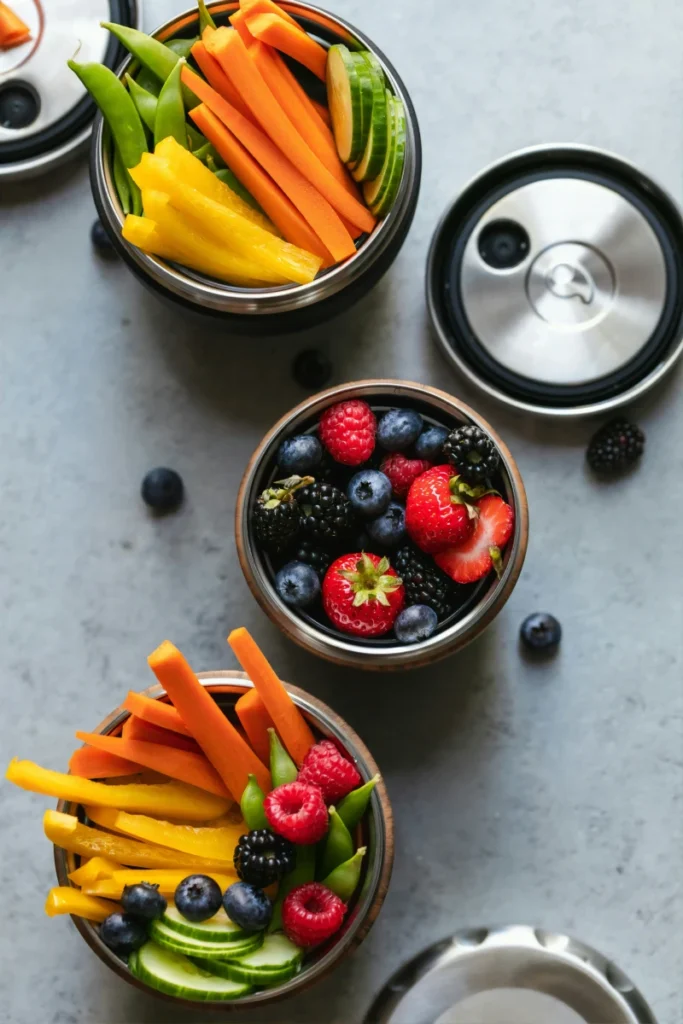
It’s not about being perfect — it’s about small, smart swaps. Trade ultra-processed snacks like crisps and biscuits for full-fat yoghurt with honey or homemade oat and seed bars. If baking feels like a chore, simple chopped veg sticks with hummus or a boiled egg can go a long way.
Sneak in Extra Veggies
If your child is veggie-averse, get creative. Grate carrots or courgettes into pasta sauces, blend spinach or frozen cauliflower into smoothies, and chop mushrooms finely into Bolognese. Over time, children’s palates adjust — and they’re far more likely to accept these foods when introduced in a low-pressure, stealthy way.
Choose Better Carbs for More Stable Energy
White bread and standard pasta can spike blood sugar, leading to energy crashes. Instead, opt for whole grains like sourdough, basmati rice, or oats. These slow-release carbohydrates help maintain steady focus and energy levels.
Make Healthy Eating Fun
Children are more likely to try new foods if they’re involved. Let them pick a new fruit or vegetable each week or turn mealtimes into a ‘taste test’ challenge. Involving them in simple food prep (think mixing, chopping with child-safe knives, or decorating smoothie bowls) fosters curiosity and excitement.
Hydration = Better Concentration
We often overlook hydration, but even mild dehydration can lead to fatigue, headaches, and poor focus. Encourage water over sugary juices. Infuse it with fruit, cucumber, or mint to make it more appealing, or offer mild herbal teas.
Keep Plates Balanced
A simple visual: 1/3 protein, 1/3 colourful vegetables, 1/3 quality carbs. This balance keeps blood sugar stable, supports mood, and fuels learning and play. A diverse, balanced diet also ensures your child is getting a full spectrum of vitamins and minerals.
Start Small and Build
I always encourage parents to start with one or two simple swaps rather than trying to overhaul everything overnight. Sustainable changes are what matter most. Focus on variety, balance, and making mealtimes enjoyable — the ripple effect on energy, mood, and focus is huge.
In summary:
A nutrient-dense diet is one of the best gifts we can give our children. It supports their learning, mental health, and long-term well-being. Start small, stay consistent, and watch them thrive.
Alcohol is the only drug we have to justify not using. Ever wondered why?
For years, I drank without thinking much about it. I wasn’t drinking excessively. I wasn’t blacking out. But I was drinking more than I wanted to admit, because drinking is just what we do.
🍷 A glass of wine to “unwind.”
🍹 Cocktails on the weekend because “why not?”
🥂 Champagne to celebrate.
🍻 A drink in hand because everyone else is drinking too.
It felt normal. It felt socially expected.
For a long time, I told myself it was fine, I was healthy in every other way, so what was the harm?
But when I started questioning it, I felt conflicted.
I wasn’t drinking out of control, but I also wasn’t fully in control. And that was enough to make me rethink everything.
The Hidden Impact of Alcohol on Health
I help people optimise energy, balance hormones, and reduce stress, but alcohol was quietly working against all of that.
Even just a few drinks a week was keeping me stuck. Here’s why:
1. Alcohol Wrecks Sleep & Energy
Even one drink reduces REM and deep sleep, making you feel tired, sluggish, and more prone to sugar cravings the next day.
2. Alcohol Spikes Cortisol & Anxiety
That ‘relaxed’ feeling? It’s short-lived. Alcohol actually raises stress hormones and can make anxiety worse the next day.
3. Alcohol Slows Metabolism & Impacts Gut Health
Alcohol disrupts blood sugar, gut bacteria, and increases inflammation, which can affect digestion, cravings, and metabolism.
4. Alcohol Impacts Brain Function & Hormones
Even moderate drinking is linked to cognitive decline, brain shrinkage, and hormonal imbalances—including increased oestrogen and disrupted testosterone production.
5. Alcohol Depletes Essential Nutrients
Drinking drains B vitamins, zinc, and magnesium, nutrients that are crucial for hormone balance, mental clarity, and recovery.
I wasn’t drinking every night, but I started to see the subtle but undeniable effects—energy crashes, cravings, anxious mornings, self-doubt.
So I stopped.
And everything changed.
The Benefits of Cutting Out Alcohol
Here’s what happened when I went alcohol-free:
✨ Brighter, clearer skin
✨ Consistent, stable energy—no more highs and lows
✨ Deeper, more restorative sleep
✨ Less anxiety and reactivity—calmer and more balanced
✨ I actually hit my health goals—without sabotaging on weekends
I felt better than I had in years.
Does This Mean I Never Drink?
No. I still drink occasionally, but I’m intentional about it.
No more mindless drinking.
No more social pressure drinking.
No more drinking just because it’s there.
Now, I ask myself:
✅ Do I actually want this, or is it just a habit?
✅ How do I want to feel tomorrow?
✅ Is this choice in alignment with my health goals?
Most of the time, the answer is no.
Thinking About Cutting Back?
Here’s How to Start If you’re curious about how alcohol is affecting your health, try this:
1. Take a 30-Day Break
No pressure, just see how you feel. Notice the changes.
2. Replace the Ritual
Swap wine for herbal teas, adaptogens, or kombucha.
3. Support Your Detox Pathways
Prioritise B vitamins, magnesium, liver-supporting foods (like cruciferous vegetables), and hydration.
4. Track Your Sleep & Energy
Notice how your recovery, mood, and cravings shift.
5. See Alcohol for What It Is
You don’t need to quit forever, but awareness is power.
Final Thoughts: Alcohol & Health—What No One Tells You
We celebrate with alcohol. We bond over alcohol. We unwind with alcohol. But do we ever stop to ask if it’s actually serving us?
For me, stepping back from alcohol wasn’t about restriction, it was about clarity, alignment, and feeling my best.
And honestly? I don’t miss it.
Join my mailing list and get access to my 5 Essential Steps to Optimise Your Health here!
To provide the best experiences, we use technologies like cookies to store and/or access device information. Consenting to these technologies will allow us to process data such as browsing behaviour or unique IDs on this site. Not consenting or withdrawing consent, may adversely affect certain features and functions.
Functional
Always active
The technical storage or access is strictly necessary for the legitimate purpose of enabling the use of a specific service explicitly requested by the subscriber or user, or for the sole purpose of carrying out the transmission of a communication over an electronic communications network.
Preferences
The technical storage or access is necessary for the legitimate purpose of storing preferences that are not requested by the subscriber or user.
Statistics
The technical storage or access that is used exclusively for statistical purposes.The technical storage or access that is used exclusively for anonymous statistical purposes. Without a subpoena, voluntary compliance on the part of your Internet Service Provider, or additional records from a third party, information stored or retrieved for this purpose alone cannot usually be used to identify you.
Marketing
The technical storage or access is required to create user profiles to send advertising, or to track the user on a website or across several websites for similar marketing purposes.



Recent Comments