by Rebecca Prade | Feb 27, 2018 | NUTRITION
How Probiotics Can Help You Achieve A Healthy Digestive System
Like any engine, if you feed your body the right fuel, everything ticks along perfectly, and following a balanced diet with lots of fresh fruit, vegetables, and natural fibre is a great foundation, alongside keeping active and sleeping well.
When there is an imbalance you can see it in your skin and feel it in your body – that sluggish mood in the morning or problems falling and staying asleep is your body letting you know it needs support.
Keeping that balance isn’t just essential for your physical health; the connection between our digestive health and our mental health is now also well documented:
“When you’re stressed, your gut is a different gut,” says Emeran Mayer, a gastroenterologist, neuroscientist, and UCLA professor who studies how the digestive system and nervous system interact in health and disease. “The brain and the gut are so closely connected, you almost have to look at it as one unit.”
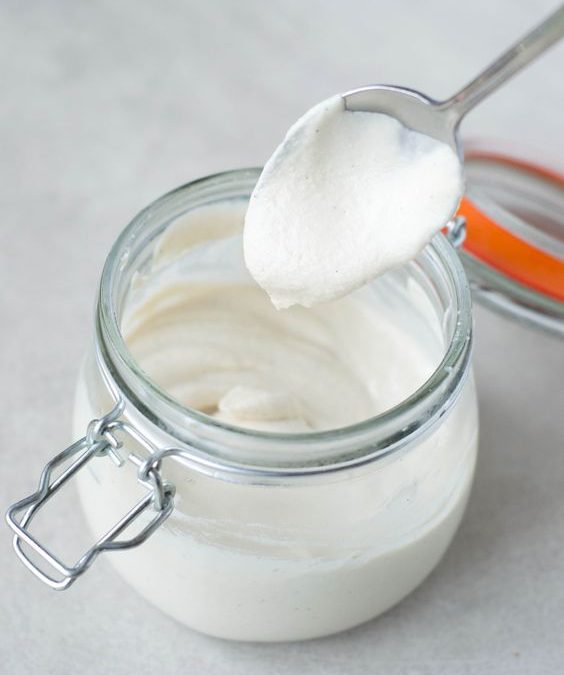
With that in mind, it is important to consider how we can enrich our diet to include probiotics. The classic examples are yogurt and kefir, which are great for a lot of people, though not if you have a dairy sensitivity. There are now a lot of yoghurt and kefir alternatives, from water kefir and almond yoghurt to coconut yoghurt, coconut kefir, and so on. Look at ingredients when you’re shopping for food like yoghurt and avoid sugar-filled products.
Fermented foods are another way to include probiotics in your diet. Sauerkraut, apple cider vinegar, pickles, cultured vegetables, kombucha, miso, and kimchi are all beneficial. Studies show that you can change your microbiome within hours of adjusting your diet. If you’re not into sauerkraut, even just cutting back on sugar and eating more whole foods can make a big difference.
What are probiotics for?
The word probiotic – pro meaning “for” and bios meaning “life” – is a pretty accurate description of what these beneficial microbes do for our bodies. We know there are more bacteria in us and on us than our own human cells. The body is almost like a puppet – it is bacteria that really run the show: They turn on enzymes, turn off genes, and dictate much of our health.
Unless you have a perfect gut and are already eating lots of fermented foods, it’s difficult to get all the probiotics you need from diet alone. And let’s be honest, most of us don’t have perfect guts; everything from antibiotics to high-carbohydrate diets to being born via a C-section can compromise the balance of bacteria in our microbiome. Supplementing with a probiotic can help to restore imbalances, and it’s also a great preventative health measure, helping to keep your microbiome in balance and your immune system healthy to ward off illnesses.
Marketing around probiotics focuses on how they might make your stomach feel, but their potential impact on your overall health and wellbeing is much more complex. As we continue to understand the human microbiome better, it appears that we have only just scratched the surface of the relationship between our gut and countless maladies: depression, chronic fatigue, skin issues, obesity, and ageing-related diseases. There are many researchers who believe understanding these broader physiological implications of gut bacteria will be one of the most important medical endeavours of the 21st century. The ultimate goal? Making the GI tract an inviting place for beneficial bacteria to settle down and procreate.
Research shows that probiotics can support our bodies in many ways;
- They help balance the friendly bacteria in your digestive system.
- Help treat and prevent diarrhoea and other digestive disorders.
- Improve some mental health conditions.
- Some keep your heart healthy.
- Others can reduce the severity of certain allergies and skin conditions, such as eczema and psoriasis.
- They keep your immune system strong (about two-thirds of it lives in the gut).
- They can help reduce belly fat.
- They can boost glow and overall skin health.
Are all probiotics the same?
In 2010, the World Health Organisation began developing a guide for probiotics in food. As with all guidelines, these are a one-size-fits-all, but they do at least signpost the value of making probiotics a component of a healthy diet.
The variants to consider are complex and not all probiotics on the shelf are created equal, so here’s a quick guide of things to check for when buying a probiotic:
- Genus, species, and strain of the microorganisms. Many products list only the genus and species, but different strains provide different benefits. The two main species you want to look for are Lactobacillus and Bifidobacterium. Within these two species, there are a lot of different strains. Lactobacillus acidophilus, Lactobacillus plantarum, and Bifidobacterium longum for example have been shown to help modulate the immune system, help with autoimmunity conditions, and counter infections in the gut.
- The number of organisms contained in a single dose, and how often you should take it. Make sure dosages are listed in CFU, colony-forming units. This means that the bacteria strains are living, which is essential. Pick one that has at least ten – to twenty billion CFU (colony-forming units).
- Read the guarantee fine print: If the CFU number is guaranteed at time of manufacturing, but not at the time of expiration, you could be taking a less potent dose of probiotics than you think because potency fades over time.
- Encapsulated pills or other delayed-rupture technology ensure the bacteria survive the trip through your acidic stomach and actually reach your colon.
- Certification by an independent third party. Look for supplement brands which use third-party testing. Has the company done research on actual strains? How are they guaranteeing potency?
To optimise the value of adding probiotics into your routine you should consider it a part of a wider nutritional and emotional evaluation, as the right dose of the ideal type of probiotic can have a profound effect on you – and the wrong one is a waste of time and money.
For more wellbeing, nutrition and fitness guides, head to our blog or recipe section of our website.

by Rebecca Prade | Feb 22, 2018 | WELLBEING
The joy of awakening from a good night’s sleep, refreshed, bouncy, and ready to tackle anything the day throws at you is a thing of wonder. Unfortunately, for too many of us, this is a mystical experience we often fail to achieve when it comes to sleeping.

In the Great British Bedtime report from The Sleep Council, 62% of people surveyed stated that they slept poorly every night, averaging only five or six hours of sleep, and that sleep quality was getting worse.
In addition to a healthy diet and regular exercise, getting enough restful sleep is the most important thing you can do for your health and is one of the keys to looking and feeling your best after sleeping well.
Chronic sleeping problems interfere with your body’s natural rhythms and rob it of the time it needs to restore itself. The incidence of many diseases including diabetes, high blood pressure, heart attack, and depression increases with a lack of sleep. Recent research has even shown a connection between poor sleep and weight gain.
It is during sleep that your body’s innate healing capacities kick into full gear. Your immune system gets revitalized, hormones and metabolism are balanced, and general maintenance, fine-tuning, and repair of all bodily systems is performed. A good night’s sleep, not just once in a while, but on an ongoing basis, is absolutely critical for your good health.
The most common underlying causes of chronic sleep issues are:
- Chronic stress or an over-stimulated nervous system.
- Hormonal imbalances (adrenal, thyroid, and reproductive hormones in particular).
- Poor diet (too much sugar, processed and refined foods, and the common foods that cause sensitivities: gluten and dairy).
- Stimulants or substances that can affect sleep (alcohol, caffeine, medications, recreational drugs, herbs, and even some vitamins).
- Gastro-intestinal dysfunction.
- Chronic pain.
- Sleep Apnoea.
Poor sleep impacts every aspect of life, from focus and energy levels to physical and mental health, and while we are used to receiving advice regarding what to eat or how much to exercise, getting enough sleep remains apparently out of our control.
This is simply not the case. There are a number of things you can do to be in control of your sleep and get that blissful slumber you deserve.

Get A New Bed & Make It A Biggie
Start with the basics, if your bed is over 7 years old get a new one – and if you share it make it as large as your room can take. The support of the right mattress and the space to move as you need to is the foundation of any good night’s sleep.
Wake Up Right
Sleep researchers at the Mayo Clinic believe that if you need an alarm clock to wake you up, it’s a sign that you’re not sleeping right. Alarm clocks interrupt the sleep cycle and prevent sleep from completing naturally, pushing sleep problems into succeeding days. Dawn simulation devices are much more effective at establishing a healthy sleep cycle and gently rousing you from sleep.
Get Some Natural Sunlight Every Day
Researchers at Johns Hopkins University, Baltimore, found that it’s actually light itself that governs our sleeping patterns. As sunlight enters our eyes it regulates and resets our biological clocks, which involves triggering our brains and bodies to release specific chemicals and hormones that are vital to healthy sleep, mood, and aging. Many of us get up without the sun, work longer and longer days indoors under artificial lighting, and spend little time outdoors, even in summer. So to better regulate your sleep try to get at least half an hour of regular exposure to natural sunlight a day.
Make Your Bedroom A Sleep Zone
Remove the TV, put the phone in the hallway, clear the clutter, keep bedroom colours calm, and create a relaxing space. Invest in black-out blinds if you have a streetlight outside your window, and get some earplugs if your neighbours like a 5 am start (or finish!). Take the role of the room seriously and make yourself a nest.
Get Some Exercise
Exercise is good for body and mind, and helps you sleep – make sure you don’t let your motivation slip, don’t work out too late and you’ll get the most impact when you get under the duvet. Before bed try some gentle yoga or foam rolling to remove any tension or aches and pains but take it slow, nothing too energetic.
Keep A Regular Routine
Your body and mind like a schedule, so your weekday routine is great but on the weekend it all goes awry and then you find yourself unable to drift off on Sunday night – try to keep the timing as set as you can, without limiting your social life too heavily! At least most nights stop sitting in front of your computer or TV screen and switch off all other electronic devices by 10 pm. They are too stimulating to the brain and inhibit the release of sleep neurotransmitters which are naturally triggered by the dark.
Eat In Accordance With Your Body’s Natural Rhythms
Your digestive system function peaks around lunchtime, so most of your food should be eaten by then. Your metabolism slows down in the late afternoon, leaving you poorly prepared to digest a large dinner; in other words: have a small one. Eat it early, at least 3 hours before going to sleep. Give your body a chance to recover and rebuild, instead of having to work on digestion while you sleep.
Cut Out The Alcohol
Much as a glass or two of wine helps you drop off it disrupts your natural rhythm and your sleep will be disturbed and irregular – leaving you feeling exhausted the next day. If sleep is your priority, switch to something softer – water, herbal tea, or kombucha, for example.
Take Nutrients That Calm Down the Nervous System
Instead of sleeping pills or alcohol, try supplements or herbs that have a calming effect half an hour to an hour before bedtime. Magnesium (300-600 mg) can be helpful as can calcium. The amino acids, L theanine (100-500mg), 5 HTP (50-100mg), and taurine, and herbs like lemon balm, passion flower, chamomile, magnolia, and valerian root can also help you drift off to sleep.
Those are just a few ideas, soothing Epsom salt baths, reading a book, and meditation all help too – the key message is to take your sleep as seriously as you do your diet and physical health in order to establish balance within all aspects of your life.
If you’d like to discuss your personal sleep challenges you contact me directly and I will happily discuss options with you. There are so many nuances to consider and a few small changes can make a huge difference.
You can also read our other blogs for advice, support, and inspiration!

by Rebecca Prade | Feb 9, 2018 | NUTRITION
How to get the most out of your food (and help the planet at the same time!)
We simply love food, and Many things in our lives have expiration dates: friendships, relationships, and hair-ties. Although these don’t usually come with a visible warning date so we can prepare ourselves for the inevitable end (sigh)… we still under-value an important expiry date that we are told about, and that’s the one on our foods. Similar to the 21st-century attitude towards dating, we are seemingly inclined to carelessly throw food away once it’s passed its sell-by-date without a spared thought of the long-term consequences. According to reports released by the Environment, Food and Rural Affairs Committee, 7.3m tonnes of food was wasted in UK households in 2015. Committee chairman Neil Parish stated that “one-third of food produced for human consumption is lost or wasted globally, and in the UK, over £10bn worth of food is thrown away by households every year.”
Those are staggering figures, especially when balanced with the fact that 795 million people in the world do not have enough food every day. So, it’s definitely time to start paying attention to the small print. As with many of the world’s more upsetting stories, it is easy to feel that you can’t have an impact, but with food waste, you most definitely can – and the first step is understanding the confusing guidelines on food expiration dates.

Use by v best before?
They sound similar, don’t they, but have different meanings – luckily, the Food Standards Agency has a great guide which keeps it simple;
Use By
- It is all about safety.
- Foods can be eaten, and most are frozen up until that date but not after.
- For use-by to be a valid guide, you have to follow the storage instructions.
Best before
- Quality-based, not safety.
- Safe to eat after best before date but may not be at its best.
- Again, it is only accurate if you have followed the storage instructions.
It is an offence to sell food after the use-by date; however, retailers can sell food after the best-before date – with the exception of eggs.
Here’s a scary top five of food we throw away the most of in the UK;
- Over 240 Million slices of bread are thrown away each year.
- Around 5.9 million glasses of milk go down the drain.
- 5.8 million potatoes never make it into chips.
- Cheese that lurks in the back of the fridge makes the fourth slot.
- 1.3 million apples never get to the lunchbox or into a pie!
So, to love food, let’s get smart and look at our food differently, starting with being more instinctive regarding how long after buying it we need to eat it.
What to ignore and what to follow?
Make sure you store your food as outlined, read the label and don’t assume what needs to be in the fridge and what doesn’t.
Use common sense, touch and smell the food, look at the colour and trust your senses. If the milk officially expired a week ago but smells fine, drink it – but maybe throw the yoghurt that sat in your car too long one afternoon that’s growing new lifeforms.
Buy what you need when you need it.
One reason we throw away food is buying too much, as we saw from our top 5, unconsciously adding that three for two to the basket, getting drawn into a bulk buy, and then having a mouldy loaf of bread hiding in the cupboard.
A great way to buy more consciously is to go out and buy your food physically – online shopping is great for bulk items like toilet rolls, but it completely detaches you from the experience of purchasing your meals.
Local markets are likely to stock fresher, locally sourced food to allow you to eat seasonally and are often a lot cheaper than you would expect as you’re not paying for the air miles and shop facilities. And a little of something good beats a pile of junk – that lovely artisan bread with three or four ingredients is a lot less scary than a processed supermarket option with a chemical experiment on the label!
Be more creative with leftovers.
However strict you are with grocery shopping, there are bound to be leftovers, and many dishes taste better the next day – or can come together to create something amazing, so learn to love food and your leftovers.
Make it a challenge to make a chicken last a few days – roast, soup, salad, broth, you get the idea! Bread becomes pudding, potatoes become garlic, frozen mash for another day and scrape the mould off your cheese to add to your pasta.
Online platforms like Love Food, Hate Waste and Eating Well are a great source of inspiration if you are feeling daunted, or just in need of new ideas.
You can also head over to our recipes section, where we’ve designed some delicious and nutritious meals for you to enjoy. Experiment, enjoy, and proactively reduce your waste while improving the taste.


Recent Comments