
by Rebecca Prade | Jan 27, 2025 | NUTRITION
Did you know that the order in which you eat your food can impact your digestion and overall gut health? While most of us focus on what we eat, how we eat is just as important. Research suggests that “meal sequencing,” or eating foods in a specific order, can support digestion, help regulate blood sugar levels, and even reduce uncomfortable symptoms like bloating.
This blog is inspired by my recent contribution to an iNews article, where I shared how simple adjustments to your eating habits can make a significant difference to your gut health. Here’s how you can put meal sequencing into practice for better digestion and balanced energy levels.
Why Meal Sequencing Matters for Digestion
Your digestive system is designed to break down different types of foods at varying rates. By eating in a strategic order, you help your body process nutrients more effectively and reduce common digestive complaints like bloating, gas, and blood sugar spikes.
Meal sequencing not only optimises digestion but also provides a natural way to stabilise energy levels throughout the day. If you’re looking to improve your gut health without drastically changing your diet, this method could be a game-changer.
How to Sequence Your Foods for Optimal Digestion
1. Start with Fibre-Rich Vegetables
Kick off your meal with vegetables like leafy greens, broccoli, or carrots. High in fibre, these veggies act as a buffer for your digestive system, slowing the absorption of sugars from the rest of your meal. This can stabilise blood sugar levels, reduce energy crashes, and set the stage for smooth digestion.
2. Add Healthy Fats
After your vegetables, include healthy fats such as avocado, olive oil, or nuts. Fats take longer to digest than carbohydrates, providing a steady release of energy. This not only keeps you full for longer but also helps prevent rapid sugar absorption later in the meal.
3. Follow with Quality Protein
Quality protein is vital for tissue repair and muscle health. When consumed after fibre and fat, it is digested more efficiently. This sequence helps your body absorb protein without overburdening the digestive system, leaving you feeling satisfied and energised.
4. Save Starches and Sugars for Last, if consuming
Finish your meal with carbohydrates like bread, rice, or sweets. Eating these last can help minimise blood sugar spikes, reduce gut fermentation, and avoid bloating—issues that are more common when starches are consumed first.
The Benefits of Meal Sequencing for Gut Health
By simply changing the order of your meals, you can:
- Reduce Bloating: Fibre and fats act as a natural buffer to prevent fermentation and discomfort.
- Stabilise Blood Sugar Levels: Slower absorption of sugars helps prevent energy crashes.
- Improve Energy Levels: Balanced digestion supports sustained energy throughout the day.
- Support Gut Health: A well-sequenced meal allows the digestive system to work more efficiently, reducing strain on the gut.
Many people report fewer digestive complaints, improved energy, and an overall sense of wellbeing just by applying this simple strategy. Best of all, you don’t need to overhaul your diet—just change the way you eat.
Final Thoughts on Meal Sequencing
Meal sequencing is a simple yet powerful tool for better digestion and gut health. By eating in the order of fibre, healthy fats, protein, and carbohydrates, you can support your body’s natural digestive process and enjoy better energy and less discomfort.
Want More Tips on Gut Health?
As a nutrition expert, I’m here to help you optimise your digestion and overall wellbeing. Get in touch for personalised advice, or explore more on my website for practical tips and strategies that make a real difference.
To read more, check out the full article here on iNews. https://inews.co.uk/inews-lifestyle/right-order-eat-gut-health-digestion-3197579
Join my mailing list and get access to my 5 Essential Steps to Optimise Your Health here!

by Rebecca Prade | Nov 24, 2023 | NUTRITION, WELLBEING
Medicinal mushrooms are gaining global acclaim for their remarkable health benefits, including cancer-fighting properties and brain-boosting compounds. Used for centuries in Eastern medicine, these fungi are trusted allies for restoring vitality and enhancing overall health. Each type comes with its unique nutritional perks, making them essential functional foods.
Here, we delve into five medicinal mushrooms that can supercharge your health and serve as preventive measures against disease.
The health benefits of medicinal mushrooms
Chaga – Unveiling its Cancer-Fighting Potential
Renowned as the mushroom of immortality, chaga stands out as one of the most nutritionally dense mushrooms globally. With over 215 nutritional compounds, it surpasses blueberries, turmeric, and acai berries, boasting five times more antioxidants. These antioxidants play a vital role in safeguarding cells from stress, toxins, and radiation, contributing to the deceleration of the aging process.
Chaga’s abundance comes from a specific antioxidant known as superoxide dismutase (SOD) holds significant importance in reducing cell damage and inflammation within the body. Additionally, chaga is rich in beta-glucans, a soluble fibre that regulates blood sugar levels and stimulates the immune system for optimal efficiency.
Extensive research underscores the effectiveness of chaga in both preventing and treating cancer, thanks to its potent antioxidant and anti-tumour properties. Studies reveal its ability to suppress tumour growth and mitigate collateral damage caused by aggressive cancer treatments such as chemotherapy and radiation.
Cordyceps – Nature’s Stress Reliever
Derived from a fungus residing on ghost moth caterpillars in the elevated regions of China and Tibet, cordyceps is renowned for its remarkable energy-boosting properties. Embraced by athletes to enhance exercise performance, cordyceps aids in building lean muscle, boosting stamina, and improving overall physical endurance.
This natural stress buster goes beyond physical benefits, offering relief from anxiety and fatigue associated with stress. As an adaptogen, cordyceps supports the body during stressful periods, regulating the production of stress hormones like adrenaline and cortisol. This regulatory function helps calm the often overstimulated and wired nervous system.
Cordyceps, packed with B vitamins, minerals, amino acids, antioxidants, and beta-glucans, becomes a nourishing elixir for the body. It supports liver and kidney function, enhances libido, and helps balance hormones. Moreover, cordyceps has demonstrated anti-tumour properties, contributing to the reduction of cancer cell proliferation.
Lion’s Mane – Guardian of Brain Cells
Sporting its distinctive long, shaggy spines, lion’s mane is a unique mushroom found on decaying trees and logs in Asia, Europe, and North America. Celebrated for its positive impact on brain health and the nervous system, lion’s mane has demonstrated its ability to enhance memory and focus, elevate cognitive function, and promote the regeneration of nerve cells.
What sets lion’s mane apart are its specific compounds that stimulate the production of nerve growth factors (NGF), crucial for the survival and development of nerve cells and a healthy central nervous system. As ageing leads to a decline in NGF, affecting cognitive function, lion’s mane steps in to counteract this decline. Studies even suggest its potential in aiding memory recognition among those with Alzheimer’s disease.
Beyond Alzheimer’s, lion’s mane proves beneficial for individuals dealing with dementia, Parkinson’s disease, anxiety, depression, peripheral nerve damage, and stroke recovery. It stands as a versatile guardian for overall neurological well-being.
Reishi – Nurturing Sleep and Immunity
Reishi, or Ganoderma lucidum, holds a prominent place in Asian culture for its dual benefits as an immune stimulant and sleep tonic. Rich in specific compounds, reishi boosts the activity of immune cells, particularly natural killer cells crucial for defending against infections and detecting cancer cells.
Not just a sleep aid, reishi enhances sleep quality by calming the nervous system, making it an effective remedy for insomnia. This mushroom is recognized as an adaptogen herb in Eastern medicine, aiding the body in coping with the adverse effects of stress.
In addition to its immune and sleep benefits, reishi showcases anti-inflammatory properties, replenishes energy stores, balances hormones, and fortifies the cardiovascular system. A holistic ally for overall well-being.
Turkey Tail – Nature’s Anti-Inflammatory Warrior
With its distinctive resemblance to a plume of turkey feathers, turkey tail emerges as a potent immune-boosting medicinal mushroom, celebrated for its robust anti-inflammatory properties. Laden with two types of beta-glucans (PSP and PSK), this mushroom has demonstrated the ability to increase natural killer cells, which are immune cells targeting and destroying tumour cells, thereby slowing cancer growth.
Beyond its immune-boosting qualities, turkey tail has been utilized successfully as an adjunct therapy for cancer treatment. It aids in mitigating the side effects of cancer medicine and radiation, halting metastasis, and, in some instances, improving life expectancy.
In Asia and Europe, traditional medicine practitioners advocate for turkey tail as a medicinal tea, promoting digestive health, restoring gut function through prebiotics that nourish beneficial bacteria, replenishing energy and vitality, enhancing muscle strength, and providing support during times of stress. Turkey tail stands as a natural anti-inflammatory warrior with a range of holistic benefits.
How to take medicinal mushrooms
Medicinal Mushrooms – Fresh mushrooms
Except for chaga, most medicinal mushrooms can be savoured in both raw and cooked forms, seamlessly blending into soups, salads, and hot pots. The good news is that cooking doesn’t diminish their medicinal properties, although a minimal cooking approach is often recommended.
Fresh turkey tail, for instance, boasts a slightly bitter taste and a chewy consistency. To enhance its palatability, dehydrating it first is a wise choice.
For those eager to embark on a culinary adventure with medicinal mushrooms, the local farmer’s market is a treasure trove, offering freshness and variety. Alternatively, sourcing from a reputable online grower ensures access to quality medicinal mushrooms. So, whether you’re stirring up a nourishing soup or adding a healthful twist to your salad, the world of medicinal mushrooms is ripe for exploration in your kitchen.
Powder
A popular and convenient method of incorporating medicinal mushrooms into your routine is through their powdered form. This versatile powder seamlessly integrates into smoothies, hot herbal teas, and various dishes. Due to its high concentration, a little goes a long way for a therapeutic effect—begin with ½ teaspoon per day and gradually increase to 1 teaspoon.
Powdered mushrooms are available individually or as blends containing a variety of mushrooms. For those preferring a simpler approach, capsules are also an option.
When selecting your powdered mushrooms, prioritize certified organic, extracted, and wood-grown varieties that are pure and free from fillers. Mushrooms naturally thrive on decaying wood, extracting vital nutrients. Some brands opt for growing mushrooms on grains due to cost, but these mushrooms are generally less nutritious, as mushrooms do not naturally grow on grains.
Whether you choose to stir them into your morning smoothie or opt for the convenience of capsules, the key is to embrace the purity and potency of certified organic, wood-grown medicinal mushrooms for optimal health benefits.
by Rebecca Prade | Oct 16, 2023 | NUTRITION
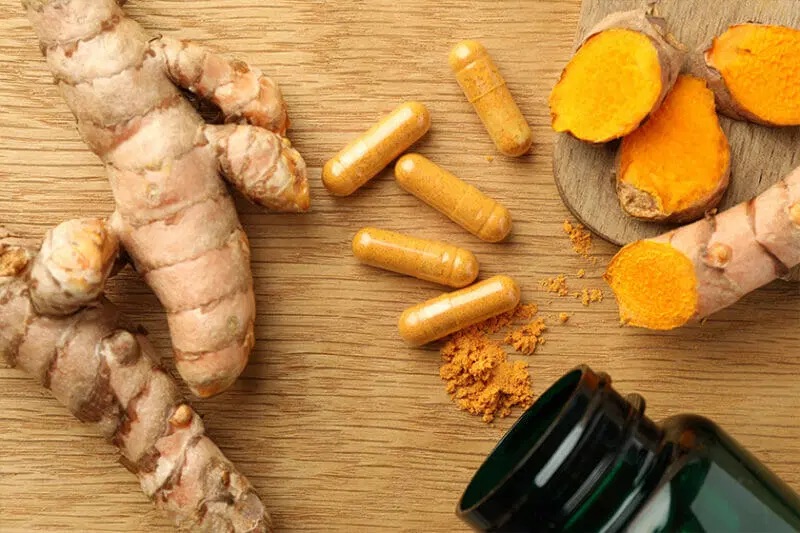
Turmeric, with a history of over 5,000 years in Ayurveda and 2,000 years in Atharveda, is a golden spice with incredible health benefits.
Today, it is most probably sitting in your spice cupboard, but in ancient times, it was used to treat inflammation, liver, and digestive issues, and even wounds in many Asian countries.
Fast forward to the 1970s when scientists began to study curcumin, the yellow pigment compound in turmeric, and its potential health benefits began to be examined and proven through research.
How Curcumin Works
When taken in a form that our body can absorb, curcumin has shown anti-inflammatory, antioxidant, and anti-cancer properties in various studies.
It affects essential pathways like NF-KB, ROS, Wnt, JAK/STAT, and even the P38 pathway, which plays a role in inflammation, cell health, and response to DNA damage. Curcumin positively influences this pathway, bringing anti-inflammatory, neuroprotective, and health-boosting effects. It’s like a natural superhero!
Importantly, curcumin is safe for most people and helps protect our cells and organs by boosting antioxidant genes.
Curcumin for Tummy Troubles
In various studies, curcumin has shown anti-inflammatory, antioxidant, and anti-cancer properties when taken in a form that our body can absorb.
It affects important pathways like NF-KB, ROS, Wnt, JAK/STAT, and even the P38 pathway, which plays a role in inflammation, cell health, and response to DNA damage. Curcumin positively influences this pathway, bringing anti-inflammatory, neuroprotective, and health-boosting effects. It’s like a natural superhero!
Importantly, curcumin is safe for most people and helps protect our cells and organs by boosting antioxidant genes.
Curcumin and Anti-Aging
Looking for ways to stay youthful? Curcumin might help. While ageing is a complex process, curcumin shows promise in delaying it by promoting a process called autophagy, where our cells clear out damaged parts.
Autophagy is like cellular spring cleaning, and curcumin seems to encourage it. This could have exciting implications for staying healthy as we age.
Curcumin and inflammation
Curcumin has anti-inflammatory properties, making it a potential treatment for a number of health conditions, including reduced pain and increased ease of movement in people with osteoarthritis. One study found that taking turmeric extract three times daily was comparable to taking a 1,200-milligram dose of ibuprofen daily. However, more research is necessary to confirm these effects.
Other research suggests that curcumin may reduce cholesterol and triglyceride levels. In addition, it may lessen some of the symptoms of rheumatoid arthritis, such as joint swelling and morning stiffness. Other areas of investigation include curcumin’s effect on Crohn’s disease, certain cancers, depression, diabetes, joint pain, and irritable bowel syndrome.

by Rebecca Prade | Dec 4, 2018 | NUTRITION
We all know that nutrition is fundamental, and what we eat affects our health, but only recently have we begun to question nutrition and the impact of when we eat. Some nutritional scientists believe that when we eat can have a huge impact on our health, with research indicating that the best course of action is to sync our eating patterns with our circadian rhythm. This is our natural cycle of when to wake up, sleep, and eat which our body dictates. Recent studies show that repeated disruption of this rhythm can cause problems with your metabolism, as well as weight gain and disease.
 Dr Satchin Panda is a circadian rhythms research expert at the Salk Institute in California. He claims that eating meals in a daily 8-10-hour window, where food is first consumed in the morning and the last of your food in the early evening, can go a long way in improving your metabolic health. You can read more from Dr. Satchin Panda on this in his new book ‘The Circadian Code’. This method is called early time-restricted feeding and was conceived from the logical theory that our digestive systems are primed for food intake in the morning and afternoon, not at 10 o’clock at night. According to Dr Panda’s research, the average person eats over a 15-hour period each day, therefore conflicting with this rhythm.
The hypothalamus of the human brain has a clock in control of our waking and sleeping cycles that is dictated by our exposure to bright light. Every other organ in the body also has its own internal clock that controls its daily cycle. Dr. Panda reveals his insight: “We’ve inhabited this planet for thousands of years, and while many things have changed, there has always been one constant: Every single day the sun rises and at night it falls. We’re designed to have 24-hour rhythms in our physiology and metabolism. These rhythms exist because, just like our brains need to go to sleep each night to repair, reset, and rejuvenate, every organ needs to have downtime to repair and reset as well.”
 It is widely believed that it is better for your health to consume the majority of your daily food intake earlier in the day. This is because several studies into this area have shown that control of blood sugar levels is best in the morning and gets worse throughout the day, with the evening being the time when our bodies have the least control. In addition to this, food is digested more efficiently in the morning and more calories are burnt.
Additionally, the lack of sunlight in the evening prompts the brain to release melatonin to prepare us for sleep. If we eat late in the evening, then an opposing signal is sent through the body that it is still daytime, and we should therefore be awake. If this happens repeatedly then the biological clocks of different organs become unsynchronised and everything gets disrupted with potential negative health effects.
If we disrupt the clock in our brain, then fatigue/jet lag-style symptoms kick in; disrupting the clocks of the organs involved in digestion puts an equal strain on these organs and forces them into activity during their natural resting period. This increases the chance of triggering various diseases. Nightwork is linked to heart disease, multiple cancers, obesity, and diabetes, with studies indicating a direct link between circadian disruption and ill health.
 Some faculty of the Salk Institute, including Dr. Panda, carried out an experiment in 2012 involving two groups of genetically identical mice who were both given the same amount of the same high-fat, high-sugar foods. However, one group was given constant access to their food while the other was restricted to an 8-hour window each day. The result was that the mice who were unrestricted became overweight and ill, whereas the restricted mice did not, further emphasising the importance of time-restricted feeding and nutrition to good health.
It was this experiment with the mice that inspired Dr Courtney Peterson, a scientist at the University of Alabama at Birmingham’s Nutrition Obesity Research Centre, to carry out a similar study in a small group of pre-diabetic men. In stage 1, of the nutrition research, the men ate their meals within a 12-hour window each day for a 5-week period. In stage 2, the same men ate the same meals within a 6-hour window each day (starting in the morning). It is worth noting that the men were given enough food in the study to maintain their weight so that it could be assessed whether there were any health benefits to the early time-restricted feeding independent of weight loss. The outcomes suggested that early time-restricted feeding caused the men to have significantly lower blood pressure, lower insulin levels, lower oxidative stress levels, and reduced hunger at night.
Clearly, there is a body of evidence to suggest that eating earlier in the day is best for our metabolic health and we would benefit from condensing our food intake into a shorter time period where we eat the bulk of it earlier on in the day: more in the morning, less later on. If you want help and support with any aspects of your health, contact Bex here.
by Rebecca Prade | Oct 16, 2018 | NUTRITION, Recipes
Are Smoothies and Smoothie Bowls Really That Healthy?
You’ve seen smoothies looking exotic and colourful on your Instagram feed and the front of health magazines, with their swirly patterns and perfectly placed toppings, but how healthy are these beautiful smoothies and breakfasts really?
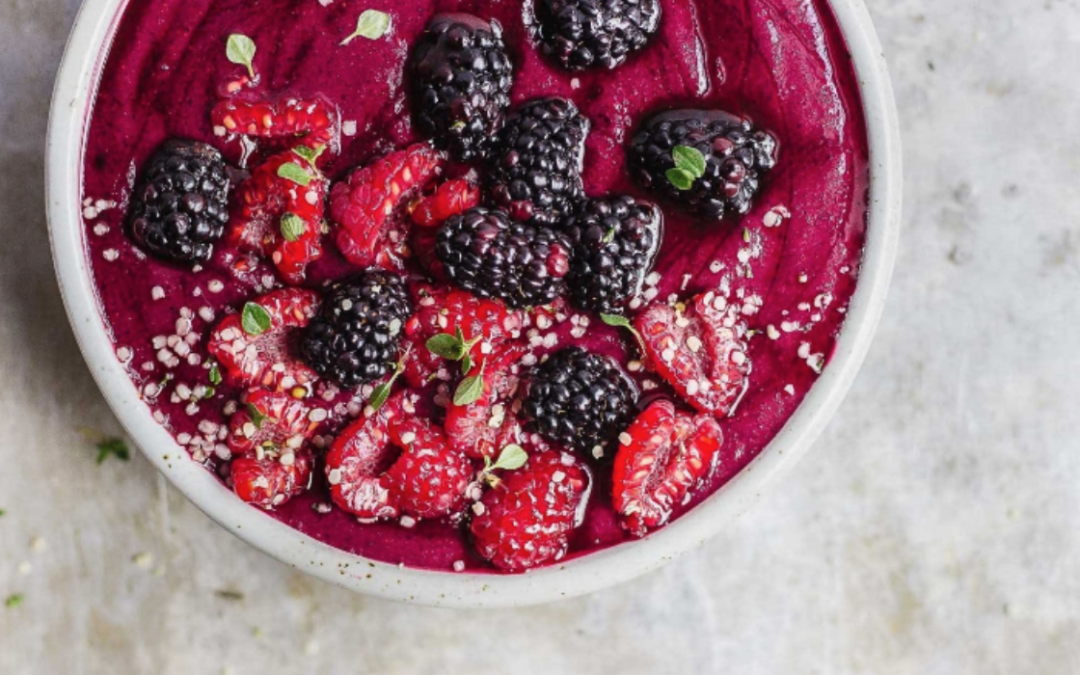
Firstly, let’s get one thing straight. A smoothie bowl is simply a smoothie… in a bowl… with the addition of a few toppings. And just the same as smoothies, they have the capacity to be really healthy or just a sugar bomb with a few added nutrients. So much so that many of these bowls contain as much sugar, calories, and carbs as several glazed doughnuts. And that’s before you add the fun toppings!
There’s no denying that the smoothies and acai bowl craze has encouraged more people to take an interest in their health and nutrition, and smoothies are an enjoyable and quick way to make sure you’re getting plenty of fruit and vegetables in your diet. Particularly for people who have little time in their schedule to prepare meals, or need to be able to eat breakfast on the go.

The recommended daily intake of fruit and vegetables is now 10 portions. That’s 3 pieces of fruit (and not all at once) and 7 portions of vegetables. But this recommendation will still vary depending on the individual. If you are trying to lose weight for example, limiting your fruit intake further and to low-sugar varieties like berries is definitely a good idea. If you like to grab a bowl at one of the many smoothie and juice stands popping up nationwide, I wonder if you’ve ever thought about whether what is in it is actually good for you.
I did some research on some popular smoothie bowls and this is what I found. The Açaí Bowl at Crush contains 308 calories and 32 grams of sugar (that’s nearly the same as a can of coke), and the seemingly healthy Kinky Kale smoothie from Boost Juice Bars contains 318 calories and a whopping 70.2 g of sugar (nearly 3 times the WHO recommended daily amount for women!). And even though most of that sugar comes from fruit don’t be fooled, sugar is just sugar, natural or otherwise and in excess can lead to weight gain and health issues, especially when combined with a relative lack of protein, fat, and fibre to balance it out.
To ensure that the energy from any meal is released slowly, there needs to be a good balance of fats, carbs, and protein to encourage a steady breakdown of nutrients in the body. If your smoothie bowl lacks sufficient protein and fat, and they often do, it will hit your bloodstream like a bomb, making your blood sugar levels rapidly peak and then fall just as quickly leaving you feeling tired and hungry again. A steadier breakdown makes for a steadier mood, helping to avoid getting those cranky, shaky, and “hangry” feelings.

Another point to be mindful of when you blend your food is that by doing so you bypass the job of chewing. Along with making your meal last longer, chewing your food releases certain enzymes that spur on the digestive process, as well as send behavioural signals to inform your body that you are eating. These important signals help to curb overeating, keeping your portion control in check. When you blend your fruit and veg into a smoothie, you skip this process, which can lead to you feeling less satisfied and hungrier much sooner. A 2014 study in the Journal of the Academy of Nutrition and Dietetics showed that the more participants chewed, the less they ate. Blending foods also break down fibre, which in turn also decreases the satiety of food.
And lastly, don’t forget it’s all about balance and portion control. It’s easy to get carried away with size, especially when trying to make a big, beautiful-looking bowl and many smoothie bowls contain far more servings of fruit than you should eat in one sitting.
So how can you keep your smoothie bowl healthy?
It is of course still possible to create and enjoy a perfectly balanced, healthy, and nutritious smoothie bowl, and here are some tips on how:
Slow down
When eating your Instagram-worthy bowl of goodness, slow down to appreciate the ingredients and give your body time to register that you are eating. Chewing your smoothie, as strange as that sounds, is also a good way to get your enzymes flowing and hormones ready to signal when you are full.
Don’t skip the protein
Ensure that there is plenty of protein packed into your smoothie bowl to accompany the sugar, fat, and fibre. Pea or hemp protein powder is an awesome and simple way to do this.
Take it easy on the fruit
1 small portion of fruit is sufficient for a smoothie, don’t get carried away, and generally try to stick to a 2-to-1 veg-to-fruit ratio.
Choose unsweetened plant milk and water instead of fruit juice
By selecting unsweetened plant milk over fruit juice, you cut down on the sugar intake and add in extra minerals and protein.
Keep your toppings wholesome and sugar-free
Choose toppings such as hemp and chia seeds for heart-healthy omega-3 fatty acids, minerals, and protein, and coconut chips and cacao nibs add healthy fats and antioxidants as opposed to granola which is full of sugar.
Add good fats
Good fats in foods such as coconut yoghurt, avocado, coconut oil, or nut butter will help to keep your bowl balanced and leave you feeling fuller for longer.
Whether you are looking to lose weight, require support for certain health issues, or like so many, are trying to accomplish greater balance and well-being in your life, reach out to us and see how we can help you achieve your health goals.
Smoothie bowl recipes to try:

Chocolate, Ginger, and Pear smoothie bowl
This smoothie bowl is ideal for recovery from an injury or extended-duration workout. In addition to anti-inflammatory ginger, flax, and hemp contain alpha-linolenic acid, an omega 3 that also combats inflammation.
Ingredients
- 1 cup water
- 1 tablespoon ground flaxseed
- ½ tablespoon hemp seeds
- 2 tablespoons chopped fresh ginger
- ¼ cup unsweetened almond milk
- ½ ripe pear
- ½ avocado
- 1 cup spinach or two frozen cubes
- 25g Pulsin Chocolate Pea Protein
Directions:
Combine all ingredients in a blender and blend until smooth.

Blueberry Rooibos Smoothie Bowl
Green rooibos tea combined with blueberries supplies a potent dose of daily antioxidant support. The caffeine-free tea has a light, woody, slightly sweet flavour that’s accented by the fruit.
Ingredients:
- 2 cups green rooibos tea, steeped and chilled
- 1 ½ cups frozen blueberries
- 1 tablespoon ground flaxseed
- 1 tablespoon hemp seeds
- ½ small banana
- 1 cup spinach or two frozen cubes
- ½ avocado
Directions:
Combine all ingredients in a blender and blend until smooth.
For more yummy and healthy recipes visit our RECIPES page. For other tips on how to keep a healthy lifestyle try our GLOW page.

by Rebecca Prade | Jun 21, 2018 | NUTRITION
Most of us grew up being told that foods like red meat, eggs, and bacon raise cholesterol levels. This idea that saturated fat and cholesterol are bad for you and contribute to heart disease is so deeply ingrained in our cultural psyche that few people even question it. But is it really true?
It all started with Ancel Keys and his “Seven Countries” study (1958), where his research found a significant association between fat and saturated fat intake and heart disease mortality. Keys managed to implant his idea into the American Heart Association and, in 1961, the first-ever guidelines calling for Americans to cut back on saturated fats, as the best way to fight heart disease were published. The US government adopted this view in 1977 and the rest of the world followed. But the evidence backing these guidelines was weak and researchers such as Yerushalmey and Hilleboe (1957) pointed out that if 21 other countries were included in Key’s study, the association he observed was weak at best.
Our dietary guidance has followed Keys’ view for 50 years now. And yet despite half a billion pounds spent trying to prove his hypothesis, the evidence of its health benefits has never been produced. In fact, what the research conducted over the last 30 or so years does reveal is that there is no evidence to say that the consumption of saturated fats causes heart attacks or strokes. The research actually shows that low-carbohydrate diets are significantly more effective at lowering incidences of heart attacks or strokes than low-fat diets. And yet, the government’s dietary recommendations have barely changed.
So the guidelines were changed to recommend a lower fat, higher carbohydrate diet – grains, pasta, rice, and potatoes replaced meat, cheese, and eggs on our dinner plates. Breakfasts of eggs and bacon ceded to bowls of cereal and orange juice. And as a consequence, we British now eat 46 percent less saturated fat than we did in 1975 and UK authorities recommend that two-thirds of calories should come from carbohydrates. And as a consequence, we are the fattest we have ever been!
The problem with this recommendation, as researchers have suggested since the 1950s, is that carbohydrates are uniquely fattening. When eaten, the body is stimulated to release insulin, which turns out to be very efficient at storing away fat. As well we have fructose, the main sugar in fruit, causing the liver to generate triglycerides and other lipids in the blood. Excessive carbohydrates lead not only to obesity but also, over time, to Type 2 diabetes and, very likely, heart disease.
A 2010 study published in the American Journal of Clinical Nutrition (1) found that when you replace saturated fat with a higher carbohydrate intake, particularly refined carbohydrates, you exacerbate insulin resistance and obesity, increase triglycerides and small LDL particles, and reduce beneficial HDL cholesterol. The authors state that dietary efforts to improve your cardiovascular disease risk should primarily emphasise the limitation of refined carbohydrate intake and weight reduction.
The best possible science from the past decade now indicates that too many carbohydrates overall – even of the supposedly healthy, whole-grain kind – increase the risk of these diseases compared with a diet low in carbohydrates. In other words, too much whole-grain cereal for breakfast and whole-grain pasta for dinner, with fruit snacks in between, add up to a less healthy diet than one of eggs and sausage, followed by fish.
If this isn’t enough to convince you here are some more reasons you should be eating more fat.
Healthier skin
The body needs healthy fats, including saturated fats, monounsaturated fats, and Omega-3 fats, to regenerate skin tissue, and it’s these fats that are the preferred building blocks in the body.
Immune health
Saturated fats found in butter and coconut oil (myristic acid and lauric acid) play key roles in immune health. Loss of sufficient saturated fatty acids in the white blood cells hampers their ability to recognize and destroy foreign invaders, such as viruses, bacteria, and fungi.
Liver health
Adding saturated fat to the diet has been shown in medical research to encourage the liver cells to dump their fat content. Clearing fat from the liver is the critical first step to calling a halt to fat storage. Additionally, saturated fat has been shown to protect the liver from the toxic effects of alcohol and medications, including Paracetamol and other drugs commonly used for pain and even to reverse damage once it has occurred. Since the liver is the lynchpin of a healthy metabolism, anything that is good for the liver is good for getting rid of fat around the middle. Polyunsaturated vegetable oils do not offer this protection.
Fat for weight-loss
Fat does not make you fat and all calories are not created the same! The theory that all calories have the same impact on your weight and metabolism remains one of the most persistent nutrition myths out there. For example, calories from a cinnamon bun are different from calories from an avocado in how they affect your hormones, your metabolism, and even your appetite.
Kevin Hall, from the National Institutes of Health (NIH), studies mathematical systems and biology. He found that eating more fat shuts off your brain’s hunger and craving centers and that eating healthy fats improves food intake, taste preferences, and metabolism. This has also been shown in human experiments, where those who ate high-fat diets had a much faster metabolism. Low-fat, high-carb diets spiked insulin, subsequently slowing metabolism and storing belly fat. The higher-fat diet group had a faster metabolism, even eating the same number of calories (2).
Here’s your takeaway:
- Focus on healthy fats such as avocados, extra virgin olive oil, coconut oil, butter, ghee, nuts and seeds, eggs, grass-fed meat, wild oily fish, full fat (preferably organic dairy if you tolerate it), and dark chocolate. Yay!
- Avoid all polyunsaturated vegetable oils such as canola oil, sunflower oil, corn oil, soybean oil, and safflower oil. All restaurants will use industrial vegetable seed oils. These cause inflammation in the body.
- Avoid all manufactured trans fats such as margarine and processed shop-bought foods like cakes, biscuits, crackers, crisps, and all deep-fat fried foods. These fats are oxidised, cause inflammation, and are toxic to the body.
- Limit your consumption of carbohydrates, especially refined and processed types, and focus more on vegetables, clean protein, and healthy fats!
There is no one-size-fits-all when it comes to nutrition recommendations. Everybody is different and your physical activity level and individual nutritional needs will dictate the amount of carbohydrate you need each day to function at your optimum level. If you would like help to lose weight or just want to fine-tune your diet, don’t hesitate to contact me here for a bespoke nutrition consultation.
References:
1. Siri-Tarino, P; Sun, Q; Hu, F et al. Saturated fat, carbohydrate, and cardiovascular disease. The American Journal of Clinical Nutrition, 2010, 91 (3), pp 502–509, https://doi.org/10.3945/ajcn.2008.26285
- H. Sherman, Y. Genzer, R. Cohen, N. Chapnik, Z. Madar, O. Froy. A timed high-fat diet resets circadian metabolism and prevents obesity. The FASEB Journal, 2012; 26 (8): 3493 DOI: 10.1096/fj.12-208868






Recent Comments