by Rebecca Prade | Mar 9, 2018 | NUTRITION
What does the phrase ‘plant-based’ meat free mean to you? For some people, it means abstaining from meat for a meal. For others, it’s an entire lifestyle choice. In recent years, vegan and vegetarian options have multiplied, and many award-winning plant-based restaurants focus exclusively on ‘plant power’. This has created a lot of happy customers who used to be limited to only one veggie option on the menu.
Vegetable-forward menus are on the rise.
Take a walk down any main road in London and you’ll see a myriad of chickpea-based, tofu-packed delights tempting you away from your traditional meat-centred lunch. Meals that used to be prepared with chicken or pork are made instead of tofu and jackfruit, and vegetables such as aubergine and mushroom are seasoned and cooked in the same way we traditionally cook beef or duck. Given that less than 4% of the world’s population is vegan or vegetarian, it’s impossible to sustain restaurants solely on their custom. Fortunately, many omnivores are also interested in plant-based dining, and eating at a vegetable-forward restaurant is now increasingly common.
What is the attraction to plant-based dining? For many people, it’s about not inflicting animal cruelty. However, that’s not the only reason people opt for vegetable-forward menus. Movements such as meat free Monday and Veganuary have inspired the general population to change their life in small steps, by focusing on vegetables for just one day a week, or one month a year. Choosing to ditch meat in favour of vegetables is definitely beneficial to your health, and going meatless just once a week can reduce your risk of preventable diseases such as cancer and diabetes.
The impact on the planet is also a factor for going meatless.
Eating meat is the second biggest environmental hazard to affect the planet (behind fossil-fuel vehicles). With so many people becoming aware of the damaging impact humans are having on Earth, we are slowly realising that cutting down on meat can make a positive change – even if it is just one day a week.
Vegetable-forward restaurants are about more than moral decisions, however. The combination of different flavours formed by these vegetables makes for a delicious meal – so much so that you won’t even notice it is meat free. People often claim that they love meat for the taste, but what they forget is that meat is usually marinated with herbs and spices, which are plant-based and vegan. Vegetables are often cooked in a similar style to meat, including frying, searing and roasting, and cut to replicate the shape of your favourite meat treats.
It’s a common misconception that vegan and vegetarian food should try to replicate the taste of meat. While some restaurants achieve this goal – think hoisin tofu wraps, jackfruit tacos, ‘bleeding’ vegan burgers – others focus on the flavours and textures already provided for us by vegetables. Pumpkins are roasted until crispy, cauliflower is seared, and aubergines are placed onto skewers and barbequed – and when combined, make a perfect meal.
“What about my protein?” many people cry out, and for good reason. Protein is essential for growth and maintaining health, and we need it to survive. However, protein doesn’t have to come from meat. Nuts, beans, pulses, lentils, soy, dairy and certain vegetables provide a high level of protein, and if eaten in the right quantity, are sufficient for humans to thrive.
Have we whetted your appetite for some delicious vegetable-forward delights? If so we’ve selected some of our favourites for you. Terre-a-Terre in Brighton (terreaterre.co.uk) is an award-winning restaurant cooking up some amazing dishes – their motto is “where vegetarianism is more about indulgence than abstinence”.
Also on top of our list is Brighton’s Food for Friends, offering a gorgeous menu where they place a twist on traditional classics. Based in London? Don’t miss out on Ethos, a self-service meat free veggie buffet famous for its vegetarian Scotch eggs or my personal favourite, The Clove Club, Shoreditch, which offers an incredible vegan set or tasting menu. Other London favourites include Itadaki Zen (Japanese, vegan AND organic – itadakizen-uk.com), Mannav (which has been around for over 50 years), and Palm Vaults (which has a gorgeous interior that’s covered in… you guessed it, plants).
Looking to incorporate more plant-based meals into your home cooking? Follow us on social media and sign up for our newsletter to stay up to date with our latest recipe inspiration

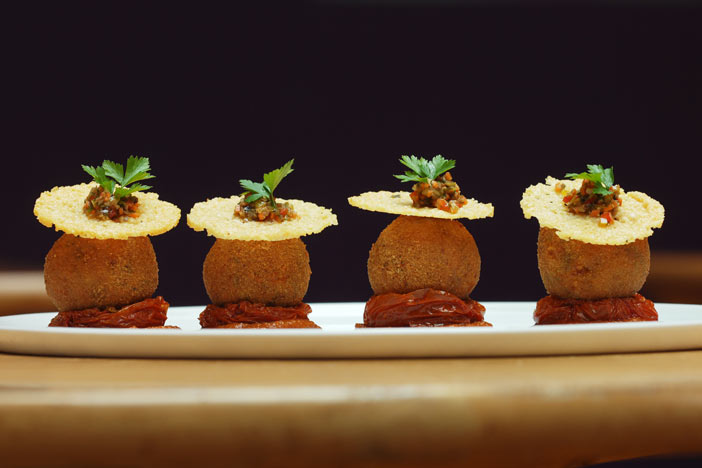
Photo: terre a terre

by Rebecca Prade | Feb 9, 2018 | NUTRITION
How to get the most out of your food (and help the planet at the same time!)
We simply love food, and Many things in our lives have expiration dates: friendships, relationships, and hair-ties. Although these don’t usually come with a visible warning date so we can prepare ourselves for the inevitable end (sigh)… we still under-value an important expiry date that we are told about, and that’s the one on our foods. Similar to the 21st-century attitude towards dating, we are seemingly inclined to carelessly throw food away once it’s passed its sell-by-date without a spared thought of the long-term consequences. According to reports released by the Environment, Food and Rural Affairs Committee, 7.3m tonnes of food was wasted in UK households in 2015. Committee chairman Neil Parish stated that “one-third of food produced for human consumption is lost or wasted globally, and in the UK, over £10bn worth of food is thrown away by households every year.”
Those are staggering figures, especially when balanced with the fact that 795 million people in the world do not have enough food every day. So, it’s definitely time to start paying attention to the small print. As with many of the world’s more upsetting stories, it is easy to feel that you can’t have an impact, but with food waste, you most definitely can – and the first step is understanding the confusing guidelines on food expiration dates.

Use by v best before?
They sound similar, don’t they, but have different meanings – luckily, the Food Standards Agency has a great guide which keeps it simple;
Use By
- It is all about safety.
- Foods can be eaten, and most are frozen up until that date but not after.
- For use-by to be a valid guide, you have to follow the storage instructions.
Best before
- Quality-based, not safety.
- Safe to eat after best before date but may not be at its best.
- Again, it is only accurate if you have followed the storage instructions.
It is an offence to sell food after the use-by date; however, retailers can sell food after the best-before date – with the exception of eggs.
Here’s a scary top five of food we throw away the most of in the UK;
- Over 240 Million slices of bread are thrown away each year.
- Around 5.9 million glasses of milk go down the drain.
- 5.8 million potatoes never make it into chips.
- Cheese that lurks in the back of the fridge makes the fourth slot.
- 1.3 million apples never get to the lunchbox or into a pie!
So, to love food, let’s get smart and look at our food differently, starting with being more instinctive regarding how long after buying it we need to eat it.
What to ignore and what to follow?
Make sure you store your food as outlined, read the label and don’t assume what needs to be in the fridge and what doesn’t.
Use common sense, touch and smell the food, look at the colour and trust your senses. If the milk officially expired a week ago but smells fine, drink it – but maybe throw the yoghurt that sat in your car too long one afternoon that’s growing new lifeforms.
Buy what you need when you need it.
One reason we throw away food is buying too much, as we saw from our top 5, unconsciously adding that three for two to the basket, getting drawn into a bulk buy, and then having a mouldy loaf of bread hiding in the cupboard.
A great way to buy more consciously is to go out and buy your food physically – online shopping is great for bulk items like toilet rolls, but it completely detaches you from the experience of purchasing your meals.
Local markets are likely to stock fresher, locally sourced food to allow you to eat seasonally and are often a lot cheaper than you would expect as you’re not paying for the air miles and shop facilities. And a little of something good beats a pile of junk – that lovely artisan bread with three or four ingredients is a lot less scary than a processed supermarket option with a chemical experiment on the label!
Be more creative with leftovers.
However strict you are with grocery shopping, there are bound to be leftovers, and many dishes taste better the next day – or can come together to create something amazing, so learn to love food and your leftovers.
Make it a challenge to make a chicken last a few days – roast, soup, salad, broth, you get the idea! Bread becomes pudding, potatoes become garlic, frozen mash for another day and scrape the mould off your cheese to add to your pasta.
Online platforms like Love Food, Hate Waste and Eating Well are a great source of inspiration if you are feeling daunted, or just in need of new ideas.
You can also head over to our recipes section, where we’ve designed some delicious and nutritious meals for you to enjoy. Experiment, enjoy, and proactively reduce your waste while improving the taste.


Recent Comments